
.
A mirror wall can do more than reflect a room. The right installation can support a home’s design, give a fitness space a practical visual tool, or help a commercial interior feel finished and intentional. The best choice depends on how the space will be used, the wall area available, and the demands placed on the installation.
For mirrors and mirror walls residential commercial and specialty installations, start by matching the mirror’s size. Placement, style, and mounting approach to the people, activities, and conditions in the space. A professional assessment can help confirm whether a full wall, smaller section, floating mirror, leaner mirror, or custom replacement is the right fit.
Sea of Glass and Mirrors serves homeowners, designers, contractors, property managers, gyms, studios, schools, hotels, and other Florida customers with residential and commercial mirror installation, replacement, and repair. Before choosing a design, consider how the mirror will function day to day. How it should look from key viewpoints, and what the wall requires for a secure, clean installation.
What should you consider before choosing a mirror wall?
Start with the job the mirror needs to do. A wall mirror may support a design goal, help a room feel more spacious. Provide useful reflection, or serve a practical purpose in a gym, studio, bathroom, or commercial interior. Clarifying the setting and the people who will use it helps determine the right scale, placement, finish, and installation approach.
Next, define the wall scope. Some projects call for a mirror across an entire wall, while others work better with a smaller section or a custom floating mirror. Measure the usable wall area and note doors, windows, outlets, trim, corners, and other interruptions. These details affect panel layout, seams, edge treatment, and how the finished mirror relates to nearby features. A professional custom mirrors for walls consultation can help translate the concept into a practical installation plan.
Viewing needs also matter. Consider where people will stand, sit, exercise, change clothes, or move through the space. A gym or dance studio may need broad, consistent sightlines, while a vanity or decorative wall may call for a more focused reflection area. In a commercial setting, plan around traffic patterns and the possibility of frequent cleaning or future repairs. Modular planning may allow an individual panel to be replaced without disturbing adjacent sections, provided the mounting system and original glass specifications support that approach.
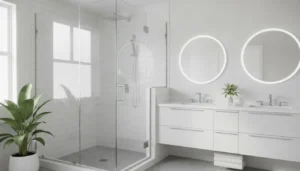
Moisture deserves special attention in bathrooms and other humid areas. Mirror planning may include moisture-resistant adhesive and sealed edges to limit water infiltration that can affect the reflective backing over time. Discuss the room’s humidity, ventilation, splash exposure, and cleaning routine before selecting materials. For a bathroom-specific project, review these considerations alongside a professional bathroom mirror installation plan.
Finally, settle the project specifications before fabrication. Commercial and specialty projects may require documentation for size limitations, handling, installation requirements, edging, coloration, and clarity. Samples can make those visual choices easier to evaluate. Ask how the mirror will be transported, stored, installed, and cleaned, and confirm that the wall substrate and access conditions are ready. A careful review of scope, moisture, viewing, maintenance, and specifications gives homeowners, designers, contractors, and facility managers a clearer path to a mirror wall that fits the space.
Residential mirrors and mirror walls for everyday spaces
Residential mirror work should fit the room’s purpose, available wall area, and the way people move through the space. A living room or dining room may benefit from a wall mirror that reflects light and helps the room feel more spacious. In a bedroom, a mirror can support daily routines while contributing to the overall finish of the wall. These are practical installation decisions, not just decorative choices, because the mirror’s size, placement, and mounting approach affect how the room functions.
Living-room and dining-room mirrors can cover an entire wall or a smaller, defined area. A full mirror wall creates a broader visual effect, while a more limited installation can highlight a feature wall, furniture grouping, or architectural detail. Homeowners, designers, and contractors can review custom mirrors for walls when the project needs a shape or coverage plan that is more specific than an off-the-shelf mirror.
Bathrooms and vanities
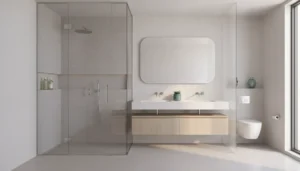
Bathroom and vanity mirrors need to be selected around the vanity width, sink placement, lighting, and the available wall surface. The installation should suit the room’s moisture exposure and leave a clean, finished relationship between the mirror, wall, countertop, and fixtures. A bathroom mirror may be a single piece, a smaller decorative installation, or part of a larger design plan. For planning details, see this guide to bathroom mirror installation.
Bedrooms, closets, and decorative areas
Bedroom wall mirrors can provide a convenient dressing surface or complete a decorative arrangement. Mirrored closet doors combine reflection with everyday storage access, making them useful where floor space is limited. Homeowners considering that option can review the guide to mirrored closet doors before deciding between doors, a wall-mounted mirror, or another configuration.
For a more flexible statement piece, a leaner mirror can stand as a large upright installation, including a floating-style design. This approach can suit a bedroom, entry area, dressing space, or decorative wall when the project calls for a strong vertical element rather than full-wall coverage. Floating mirrors can also be custom planned for smaller areas. Sea of Glass and Mirrors installs residential mirrors across these applications, with options guided by the room, the intended use, and the installation conditions. When an existing mirror needs to come out before an upgrade, professional removal and replacement can be included in the project scope.
Commercial mirror installations for gyms, studios, and public spaces
Commercial mirrors serve more than a visual purpose. In a gym or dance studio, they help users observe movement and alignment. In a school bathroom, hotel, or timeshare property, they contribute to a finished, functional interior that must remain presentable through frequent daily use. Sea of Glass and Mirrors works with fitness centers, schools, hotels, timeshare resorts, and other commercial properties that need large, professionally installed mirrors.
Plan for traffic, sightlines, and wall sequencing
Start by identifying how people move through the room and what each mirror needs to reflect. A continuous wall in a studio may support group instruction, while smaller sections can work better around doors, columns, windows, or equipment. Full-wall and partial-wall layouts are both practical options, depending on the wall dimensions and the activities taking place nearby.
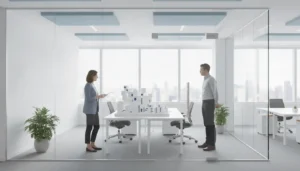
High-traffic spaces also deserve more attention to mounting, edges, and cleaning conditions than a low-use decorative installation. A commercial mirror guide identifies thicker glass, more robust mounting systems, and edge treatments as considerations for environments with frequent use and cleaning. Those are planning considerations, not a one-size-fits-all specification. The appropriate approach depends on the site, substrate, mirror size, and intended use. Interior glass walls can also be evaluated as part of a broader commercial interior plan when mirrors share the project with partitions or other glass features.
Coordinate installation with the buildout
Mirror work is commonly sequenced after major wall finishes, flooring, and electrical work are complete, but before furniture, exercise equipment, or other heavy fixtures are positioned. This order can reduce the chance of accidental damage and gives the installer a clearer working area. Before installation, document wall conditions, access points, panel locations, edges, and the relationship to doors or equipment.
In humid areas or rooms that require frequent cleaning, material selection and edge treatment should be discussed during planning. Moisture-resistant adhesive and sealed edges are described as methods for limiting water infiltration around the mirror backing, while manufacturer and project guidance should control the final installation details. Cleaning procedures should be clear to the facility team because mirror coatings can be affected by improper handling or cleaning.
Consider modular replacement for ongoing maintenance
For a large commercial wall, modular panel planning can make future maintenance more manageable. If the mounting system is designed for modular access and the original glass specifications are documented, an individual damaged panel may be replaced without disturbing adjacent sections. That is a planning concept, not a promise that every installation will support isolated replacement. Record the panel layout, mirror specifications, edge details, and installation materials so future repair decisions are based on the original project.
A site-specific review can help determine whether the project calls for a full mirror wall, sequenced panels, or smaller mirror areas. Request a project-specific estimate from Sea of Glass and Mirrors for a commercial installation or replacement plan.
How do mirrors and mirror walls residential commercial and specialty installations compare?
The best format depends on the room, the viewing goal, and the wall conditions. Use this comparison as a starting point, then confirm the final layout and mounting approach during a site-specific review.
| Installation type | Common fit | Planning focus |
|---|---|---|
| Full-wall mirror | Gyms, studios, feature walls, hospitality spaces | Panel layout, seams, access, traffic, and wall readiness. |
| Smaller-area mirror | Vanities, entryways, dining rooms, bedrooms | Scale, lighting, nearby fixtures, and finish coordination. |
| Floating or leaner mirror | Design features, dressing areas, tall vertical reflections | Support, handling, floor and wall conditions, and edge details. |
| Mirrored closet door | Bedrooms and storage areas | Opening dimensions, hardware, operation, and clearance. |
| Replacement or removal | Damaged, outdated, or poorly fitted mirror work | Safe removal, existing conditions, replacement scope, and disposal. |
This format also helps separate a broad mirror-wall project from a focused custom mirror or closet-door installation. A clear scope makes it easier to request an accurate, project-specific estimate.
Which specialty mirror installation fits the project?
Specialty mirror work is less about choosing the largest reflective surface and more about matching the installation to the room. The viewing needs, and the way the space will be used. A designer planning a feature wall has different priorities from a homeowner replacing a damaged closet door or a property manager preparing a room for a new tenant.
Full-wall and smaller-area mirrors
A full-wall mirror can create a strong visual effect in a studio, gym, hospitality space, or selected residential room. Extending the reflective surface across an entire wall can support continuous viewing and make the room feel more spacious. Wall conditions, outlets, doors, windows, and the intended viewing angle should be considered before the final layout is selected.
Smaller-area mirrors work well when the goal is more focused. A vanity, entryway, dining area, bedroom wall, or decorative feature may need reflection in one defined zone rather than coverage across the entire wall. This approach can preserve adjacent finishes and make the mirror a deliberate design element. For detailed guidance on sizing and planning, see these custom mirrors for walls.
Floating and leaner mirror installations
Custom floating mirrors can create a clean. Tailored appearance when the design calls for the glass to sit apart from the wall or to function as a distinct architectural feature. The installation must account for the supporting surface, the mirror dimensions, access for handling, and the selected edge or mounting details.
Leaner mirrors, including large upright floating mirrors, offer another specialty option. They can suit bedrooms, dressing areas, studios, and other spaces where a tall reflection is useful without covering the full wall. Because a large mirror still requires careful handling and stable professional installation. The surrounding floor and wall conditions should be reviewed rather than treating it like a lightweight decorative accessory.
Mirrored closet doors, removal, and replacement
Mirrored closet doors combine storage access with a full-length reflective surface. They may be appropriate when the room benefits from both functions, but the door configuration, operating space, hardware, and existing opening should be evaluated together. Review this guide to mirrored closet doors for the specific advantages and tradeoffs of that application.
Replacement and removal are separate project needs. An outdated, damaged, or poorly fitted mirror may need to be taken out before a new installation can be planned. Sea of Glass and Mirrors provides mirror removal in Miami, Fort Lauderdale, and Tampa, along with mirror installation and replacement. A site-specific review helps determine whether the project calls for a full replacement, a smaller redesign, or a new specialty mirror in another location.
For residential projects, that review may center on appearance, room proportions, and how people move around the mirror. Commercial projects may also require attention to repeated use, cleaning routines, access, and coordination with other trades. In either setting, the mirror type should follow the space rather than forcing the space to accommodate a standard panel. That distinction is especially important when the project combines new installation with removal or replacement work.
How does a professional mirror installation stay on track?
-
Confirm the scope and intended use
Start by defining where the mirror will go, how much wall coverage is needed, and who will use the space. A residential vanity, a full gym wall, and a school bathroom may require different planning conversations. Document whether the work is new installation, removal, replacement, or a combination. For larger projects, record door, window, fixture, and equipment locations before finalizing the layout.
-
Review the substrate and site access
The wall should be evaluated before glass is ordered. The installer and project team can review the wall finish, likely attachment points, level and plumb conditions, and the path from delivery area to the installation room. Product planning guidance commonly calls for documenting size limitations, handling needs, and installation requirements before fabrication. See the mirror product planning guidance for an example of those considerations.
-
Set the specifications and edge treatment
Confirm the mirror type, dimensions, appearance, edge finish, joints, and any required samples. Project specifications may address silvered flat glass, tempered mirror glass, or a particular polished edge, but the correct selection depends on the application and project documents. Treat standards as planning references, not as a substitute for project-specific design or legal advice.
-
Coordinate the construction sequence
On commercial work, mirrors are commonly scheduled after major wall finishes, flooring, and electrical work are complete, but before furniture, equipment, or heavy fixtures are placed. That sequence helps reduce the chance of accidental damage and gives the installer a clear work area. Confirm readiness with the general contractor or property manager before delivery.
-
Choose installation materials for the setting
Depending on the design and conditions, planning may include mirror mastic, setting blocks, edge sealer, or aluminum J-channels. Moisture-prone areas may need attention to adhesive selection and edge sealing. A commercial installation may also benefit from a modular mounting approach when future panel replacement is a consideration. These are options to evaluate, not materials used on every project.
-
Plan handling and safety controls
Large sheets require a controlled route, adequate personnel, appropriate protective equipment, and a clear installation zone. Follow the selected product and project requirements for storage, transport, handling, cleaning, and installation. Some published guidance also specifies environmental conditions for glazing compounds, including maintaining the required temperature before, during, and after installation. The installer should verify the applicable requirements rather than assume one rule fits every site.
-
Complete the handoff and maintenance record
After installation, inspect alignment, joints, edges, attachment points, and the surrounding finish. Clean the mirror according to the product guidance, identify any care restrictions, and document the glass and mounting specifications. Keeping that information can simplify future repairs or replacement, especially when a project uses multiple panels. A clear handoff gives the homeowner, facility manager, or contractor a practical record of what was installed and how to maintain it.
How much does mirror installation cost?
Mirror installation does not have one standard price because every project has a different scope. A small bathroom mirror, a full wall in a fitness facility, and a custom floating mirror involve different materials, preparation, handling, and installation requirements. For that reason, Sea of Glass and Mirrors uses quote-based projects rather than publishing a universal price list.
What affects the project quote?
The first consideration is the overall size and layout. A single mirror in a defined area may require a different approach than multiple panels covering an entire wall. The shape of the wall, the number of seams, and the presence of outlets, windows, doors, trim, or other obstacles can also affect the work involved.
Access matters as well. Narrow hallways, upper floors, occupied rooms, and locations with limited staging space may require more careful handling and coordination. The condition of the wall or other mounting surface is another important part of the assessment. Before installation, the installer needs to understand the surface, measurements, and site conditions so the selected materials and installation method fit the project.
Material and finish choices influence the quote, too. The estimate can account for the mirror type, edge treatment, shape, details, and whether the design calls for a standard installation or a custom floating look. If an existing mirror must be removed or replaced, removal, handling, and preparation become part of the scope. Sea of Glass and Mirrors offers mirror removal in Miami, Fort Lauderdale, and Tampa.
Why location and use matter
A residential vanity, decorative wall, mirrored closet door, gym, studio, hotel, or school bathroom can each call for a different installation plan. The location, intended use, access conditions, and project schedule help determine what is practical. These details are especially important for commercial work, where installation may need to coordinate with other trades, furnishings, equipment, or an occupied facility.
To receive accurate planning guidance, share the project location, approximate dimensions, photos when available, intended application, and whether removal or replacement is needed. Request a free estimate for a project-specific quote based on the actual site and scope.
Frequently Asked Questions
How much does a mirror installation cost?
Mirror installation is priced by the project rather than a standard number. The estimate may depend on the total size, number of panels, mirror type, edge treatment. Wall condition, access, installation height, removal needs, and whether the work is residential or commercial. Share the project location, measurements or plans, intended use, and finish preferences so the installer can provide a project-specific quote. Sea of Glass and Mirrors offers free estimates for planned mirror work.
Are mirrors required in commercial bathrooms?
There is not one answer for every commercial bathroom. Mirror placement may be shaped by the building plan, owner preferences, fixture layout, user needs, and applicable project requirements. Review the design with the project architect, contractor, or local authority instead of assuming a general rule. For a durable installation, also discuss moisture exposure, cleaning routines, edge treatment, mounting, and access for future replacement.
Why might a professional installer be better than a handyman for a large mirror?
A professional mirror installer is equipped to plan panel sizes, confirm the substrate, select suitable mounting materials, protect finished surfaces, and manage heavy or high-access pieces. That matters for full-wall mirrors, custom shapes, commercial spaces, replacement work, and installations where alignment and edge protection are important. A handyman may be appropriate for a small, straightforward item, but larger or specialized work deserves a provider with relevant glass and mirror experience.
Which company is best for mirrors?
Choose a provider that can explain the material, dimensions, edges, mounting method, access plan, cleanup, and quote before work begins. Look for relevant residential and commercial experience, clear communication, appropriate licensing and insurance, and references or examples that match your project. Sea of Glass and Mirrors is a family-owned company with more than 20 years of experience and serves residential and commercial customers in South Florida and Tampa-area markets.
Ready to plan your mirror installation?
A project-specific review can help clarify the right mirror style, coverage, edge details, access requirements, and installation approach for your space. Whether you are updating a home, outfitting a commercial property, or planning a specialty mirror wall, Sea of Glass and Mirrors can discuss your goals and next steps. Contact us to request a free estimate for your residential, commercial, or specialty mirror installation.